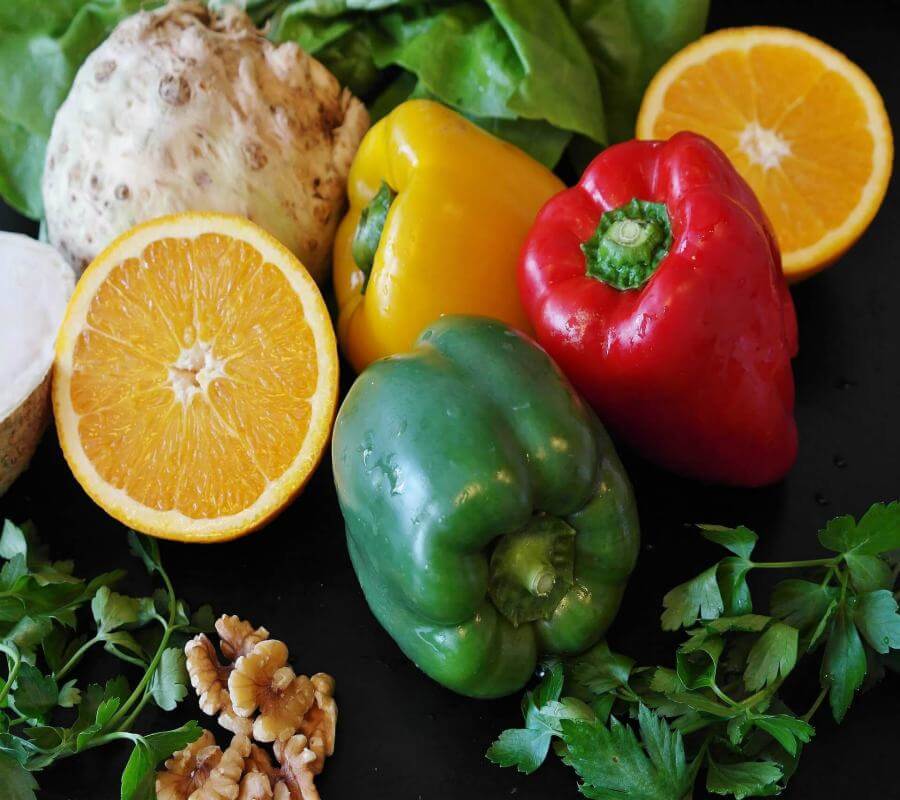

Fruits can be beneficial to those living with diabetes as they tend to score low on the glycemic index. However, individuals must be wary of fruits that contain more sugar and should limit consumption accordingly.
Avoid eating too much fruit with meals as this can cause blood sugar levels to quickly spike. Instead, enjoy fruits as snacks or combine them with other food items such as cheese or nut butter for optimal blood sugar regulation.
Cherries

Cherries offer an irresistibly sweet taste while providing powerful anti-diabetic benefits for those living with diabetes. Low in carbohydrates and boasting a very low glycemic index index helps prevent blood sugar spikes. Cherries naturally sweet flavor complements their abundance of fibre, antioxidants, and anthocyanins which may reduce the risk of kidney damage associated with diabetes (Are Cherries Suitable for People Living with Diabetes?, 2023).
Cherries can be enjoyed fresh, in smoothies or baked into desserts and cookies as an excellent source of vitamin C and potassium. Canned cherries should be avoided due to their high amount of added sugar content; dried cherries offer an alternative but should still be consumed sparingly.
Pineapple is an enticing tropical fruit, yet for those living with diabetes it may be difficult to consume sufficient quantities. Pineapple contains lots of carbs; however, its abundance in vitamin C makes up for this by having 71% monounsaturated fats, 13% polyunsaturated fats and 7% saturated fat content (How Pineapple Compares to Other Fruits in the Glycemic Index, n.d.).
Apples
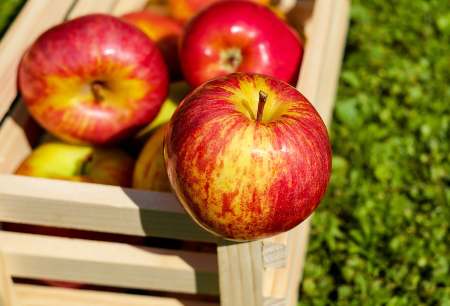
Apples are low in both sugar and calories while being an excellent source of dietary fiber, rich sources of antioxidants quercetin known to boost insulin sensitivity and decrease blood glucose levels, not to mention being packed full of vitamin C! You can eat apples raw as snacks or in salads (Can I Eat Apples If I Have Diabetes?, 2020).
Pears are another delicious diabetes-friendly fruit, great for snacks or added into salads. Low in carbohydrates yet packed full of essential fiber, vitamin A and potassium benefits; one medium pear contains approximately 5.5 grams of carbs for an ideal treat (Cooper, n.d.)!
Berries are an ideal fruit to help prevent and manage diabetes, boasting antioxidants and phytochemical compounds such as anthocyanins that have been found to increase insulin sensitivity and decrease risk. Furthermore, being high in fibre helps slow sugar absorption into the bloodstream (Calvano et al., 2019).
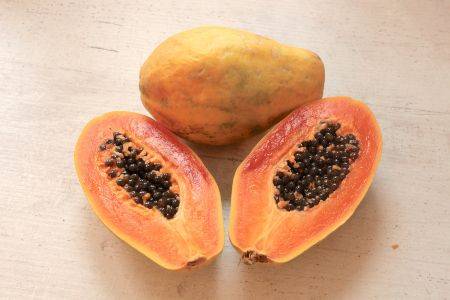
Papaya is another excellent fruit to consider for those living with diabetes, offering low carbohydrates while being an abundant source of fiber, potassium and vitamins A and C. Eating papaya as part of meals or snacks will also help promote metabolism and reduce heart disease risk; for optimal results it should only be eaten in moderation to avoid overeating papaya (Is Papaya Good for Diabetes? Research and More, 2021).
Noting the following points about fruits as part of a healthy diet. While fruits should play an integral part, all food should be consumed moderately and according to dietician advice. People living with diabetes should seek advice from certified diabetes educators (CDE). It is also wise to speak to your physician prior to commencing any physical fitness programs – as certain medications may interact negatively with certain forms of exercise and cause serious side effects.
Avocados
As much as some fruits like pineapple and mango may lead to high sugar levels, many others can form part of a healthy diabetic diet. Opting for fruits that are lower in sugar but high in fibre, vitamins, and antioxidants is an effective way to manage blood sugar levels and increase insulin sensitivity. Avocados offer both protein and fat intake while being abundant sources of Vitamin C essential in diabetic diets.
Strawberries and raspberries make deliciously fresh and satisfying snacks, rich in vitamin C and soluble fibre. Perfect as standalone treats or added to smoothies and salads. Strawberries may even help those living with diabetes keep glucose levels under control by having a lower glycemic index than other fruits; helping keep their glucose stable over time.
Oranges are another important addition to a diet for diabetics. Packed full of vitamin C and dietary fibre, as well as other important vitamins like potassium, folate and magnesium – oranges provide an ideal replacement to high-sugar fruits like bananas, papaya ripe for consumption or watermelons that contain more sugar.
Others fruits to include in a diabetes diet are tomatoes, bananas, strawberries and peaches as they all contain high amounts of dietary fibre which helps slow the absorption of sugar into your system. It is best to consume these fruits in moderation with other protein sources such as fish or chicken for best results. When possible it is also important to consume whole, unprocessed fruits – this includes fresh frozen or canned whole fruit (provided no sugar is added), as well as juice made from fresh fruits.
Peaches
Peaches are an ideal fruit to help manage diabetes as they contain low levels of both sugar and fiber, along with potassium, Vitamin A and other anti-oxidants. Peaches can be enjoyed alone or used as part of diabetes-friendly meals like smoothies. Pairing peaches with low-fat yogurt or milk makes the dish even more delectable!
Citrus fruits like oranges can also provide good benefits to diabetics, since they are low in sugar and high in fibre content. Plus, their abundance of Vitamin C helps strengthen immunity while fighting inflammation – all while potentially reducing blood pressure and heart disease risks.
Eat a variety of fruits every day, but be mindful to steer clear of dried fruit as it contains more sugar than fresh produce. Also avoid fruit juice as this can raise blood sugar quickly; opt for whole fruits rather than fruit juice and be sure to pair them with meals; be wary when eating citrus fruits on an empty stomach as this could lead to acidity and bloating.
Assorted fruit
Fruits can be an integral part of a diabetic diet, yet not all fruits are appropriate for every person. Some are high in sugar and have a high glycemic index that will quickly raise your blood sugar. Meanwhile, other varieties contain fiber to help manage levels. Diabetics should look for low-glycemic fruits such as kiwis, avocados and black jamuns as these provide additional health benefits such as Vitamin C, fibre folates flavonols and phenolic acids – along with Vitamin C for an enhanced diet!
Dried fruits contain high levels of sugar and should be avoided by people living with diabetes. However, many fruits can still be enjoyed when combined with meals or snacks for consumption.
Fresh, frozen and canned whole fruits can make an excellent addition to a diabetic diet. As they tend to contain more carbohydrates than dried fruit and can contain added sugars, people with diabetes should only include them if there is room in their daily meal plans for them.
Juice should be avoided as it contains too much sugar and lacks the vital fibre found in whole fruits. People living with diabetes should opt for natural, freshly extracted juice made from whole fruit instead.
Guava, strawberries, oranges and kiwis are excellent fruits to include as part of a diabetic diet. These foods contain plenty of soluble fiber which helps slow the absorption of glucose into the bloodstream; in addition to providing Vitamin C, potassium, folates and flavonols.
Those living with diabetes should try and avoid mango, jackfruit and banana which have high Glycemic Indexs that could trigger sudden spikes in blood sugar. It is also wise to be wary when it comes to nuts and seeds since these can contain large amounts of fats.
References
Are cherries suitable for people living with diabetes? (2023, July 19). Www.medicalnewstoday.com. https://www.medicalnewstoday.com/articles/cherries-for-diabetes#adding-cherries-to-an-eating-plan
Can I Eat Apples If I Have Diabetes? (2020, December 23). Healthline. https://www.healthline.com/nutrition/apples-and-diabetes#:~:text=Antioxidants%20found%20in%20apples%20may
Calvano, A., Izuora, K., Oh, E. C., Ebersole, J. L., Lyons, T. J., & Basu, A. (2019). Dietary berries, insulin resistance and type 2 diabetes: an overview of human feeding trials. Food & Function, 10(10), 6227–6243. https://doi.org/10.1039/c9fo01426h
Cooper, J. (n.d.). Pears: What You Need to Know if You Have Diabetes. WebMD. https://www.webmd.com/diabetes/pears-diabetes-benefits-risks-nutrition
How Pineapple Compares to Other Fruits in the Glycemic Index. (n.d.). Verywell Health. Retrieved December 12, 2023, from https://www.verywellhealth.com/pineapple-carb-counts-health-benefits-1087567#:~:text=Pineapple%20is%20a%20fat%2Dfree
Is Papaya Good for Diabetes? Research and More. (2021, March 30). Healthline. https://www.healthline.com/health/diabetes/is-papaya-good-for-diabetes#:~:text=Papaya%20may%20be%20a%20good