Foundational Lifestyle Strategies for Blood Sugar Control
Embrace a Nutrient-Rich, Balanced Diet
- Prioritize fiber. Foods high in soluble and insoluble fiber—such as berries, leafy greens, vegetables, legumes, and whole grains like brown rice, barley or quinoa—slow the absorption of sugar and prevent post-meal spikes.
- Include lean proteins. Choose from a variety of skinless poultry, lean beef, fish, low-fat dairy products, or beans. Protein promotes muscle health, stabilizes appetite, and helps maintain healthy glucose levels.
- Opt for healthy fats. Avocados, nuts, seeds, and extra-virgin olive oil supply monounsaturated and polyunsaturated fats that support heart health and may improve insulin sensitivity.
- Mind portion sizes and carbohydrate quality. Favor whole-food carbohydrates over refined options. When you choose carbohydrate-rich foods, look for those with a lower glycemic index and combine them with protein or healthy fats for balanced meals.
Commit to Regular Physical Activity
- Include at least 30-60 minutes of exercise three to five times per week (Charatan, 2001). Brisk walking, cycling, swimming, dancing or even active chores like gardening all count.
- Add a variety of strength training routines several times a week. Resistance exercise builds muscle mass, which in turn improves glucose uptake and helps burn more calories at rest.
- Break up long periods of sitting. Even short bursts of movement—standing up to stretch or walking for five minutes every hour—can enhance insulin sensitivity.
Maintain a Healthy Body Weight
- Research shows that losing just 5–7 percent of your body weight (if overweight) can substantially lower the risk of developing type 2 diabetes (Mayo Clinic Staff, 2023).
- Gradually achieve changes rather than choosing crash diets. Combine modest calorie reduction with regular exercise to achieve lasting results.
Minimize Processed and Sugary Foods
- Packaged snacks, sugary beverages, fast-food meals and refined baked goods often contain high levels of added sugars, unhealthy trans fats and excess sodium.
- Replace these items with whole-food alternatives: fresh fruit instead of candy, air-popped popcorn instead of chips, and homemade meals seasoned with herbs and spices rather than prepackaged sauces.
Cultivate Effective Stress Management
- Prolonged stress elevates cortisol, a hormone that can raise blood sugar and promote fat storage (Writer, 2020).
- Dedicate time each day to relaxation practices such as deep breathing, progressive muscle relaxation, meditation or gentle yoga.
- Spending time in nature, journaling your thoughts, or engaging in creative hobbies are additional ways to reduce stress and support balanced hormones.
Nature’s Allies—Foods and Herbs That Promote Healthy Blood Sugar
Beyond core lifestyle changes, certain culinary spices, herbs and phytochemicals have demonstrated beneficial effects on glucose metabolism. Incorporating these safely into your diet or supplement regimen can offer an extra layer of support.
Cinnamon
- Active compounds in cinnamon may enhance insulin sensitivity and help lower fasting blood glucose (Ajmera, 2017).
- How to use: Add up to one teaspoon of ground cinnamon on fruits, yogurt, oatmeal, or in blended beverages.
Garlic
- Garlic contains allicin, a sulfur compound linked to improved insulin function and modest blood sugar reduction (Garlic and Diabetes: Is It Safe?, 2016).
- How to use: Add fresh garlic cloves to sauces, stir-fries and roasted vegetables. A daily intake of one to two cloves is typical in culinary use.
Berberine
- Found in plants like goldenseal, barberry and Oregon grape, berberine has been studied for its glucose-lowering effects, sometimes comparable to standard medications(Berberine: Benefits, Supplements, Side Effects, Dosage, and More, 2019).
- How to use: Standard supplemental doses range from 500 mg two to three times daily, taken with meals. Talk with your healthcare provider first as this could interact with other medications.
Fenugreek
- Fenugreek seeds are a form soluble fiber and include elements that may reduce absorption of glucose and improve insulin action (Gaddam et al., 2015).
- How to use: Soak 1 tablespoon of fenugreek seeds in water overnight; consume the seeds and water in the morning, or incorporate ground seed into curries and baked goods.
Building a Sustainable Path to Long-Term Health
Preventing diabetes naturally is less about rigid rules and more about cultivating balanced, enjoyable habits you can maintain for life. Begin with small, measurable goals—such as adding one extra serving of vegetables daily or taking a 20-minute walk after dinner—and gradually build from there. Track your progress with a journal or smartphone app, and enlist friends or family members for support and accountability.
Regular check-ups with a healthcare provider are also important: they can monitor your blood sugar, advise on preventive screenings and help tailor lifestyle modifications to your unique needs. By committing to a nutrient-dense diet, consistent physical activity, stress reduction techniques and, when appropriate, targeted herbal support, you can significantly lower your risk of diabetes and unlock greater vitality. Positive actions that you start today can help to maintain a healthier, more active future.
References
Ajmera, R. (2017, March 22). How Cinnamon Lowers Blood Sugar and Helps Diabetes. Healthline; Healthline Media. https://www.healthline.com/nutrition/cinnamon-and-diabetes#fasting-blood-sugar
Berberine: Benefits, supplements, side effects, dosage, and more. (2019, July 19). Www.medicalnewstoday.com. https://www.medicalnewstoday.com/articles/325798#summary
Charatan, F. (2001). Exercise and diet reduce risk of diabetes, US study shows. BMJ : British Medical Journal, 323(7309), 359. https://pmc.ncbi.nlm.nih.gov/articles/PMC1120973/
Gaddam, A., Galla, C., Thummisetti, S., Marikanty, R. K., Palanisamy, U. D., & Rao, P. V. (2015). Role of Fenugreek in the prevention of type 2 diabetes mellitus in prediabetes. Journal of Diabetes & Metabolic Disorders, 14(1). https://doi.org/10.1186/s40200-015-0208-4
Garlic and Diabetes: Is It Safe? (2016, August 4). Healthline. https://www.healthline.com/health/diabetes/garlic-and-diabetes#benefits
Mayo Clinic Staff. (2023, March 24). Diabetes prevention: 5 tips for taking control. Mayo Clinic. https://www.mayoclinic.org/diseases-conditions/type-2-diabetes/in-depth/diabetes-prevention/art-20047639
Writer, S. (2020, July 16). The Ohio State University College of Medicine. Osu.edu. https://medicine.osu.edu/news/study-links-stress-with-higher-blood-sugars

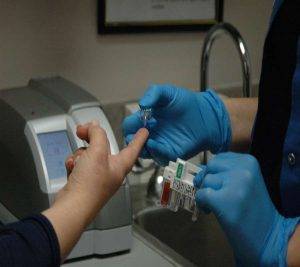 Diabetes is a metabolic disorder that arises when the body struggles to maintain healthy blood sugar (glucose) levels. In healthy individuals, insulin—a hormone produced by the pancreas—acts like a key, unlocking cell doors so glucose can enter and fuel our daily activities.