

At meals, it’s essential to strike a balance between carbs, proteins, and fats – meaning half your plate should consist of non-starchy vegetables; one quarter should include whole grains such as brown rice or quinoa; while one fourth of your plate should feature lean proteins like chicken or fish as protein sources.
Nutritious foods help control both blood sugar and cholesterol levels, such as low-fat milk and yogurt, fruits, veggies, lean meats, beans, nuts and seeds.
Whole Grains

As part of their meal planning for diabetes, those living with the condition should prioritize eating foods made from whole grains over processed ones. Doing this helps maintain stable blood sugar levels as well as lower cholesterol and decrease cardiovascular disease risks; however, even whole grains can sometimes spike blood sugar levels – these should be consumed sparingly.
When selecting whole grains, it is crucial that they possess a low glycemic index (GI), which measures how quickly food raises your blood glucose levels after eating it. Diabetics should also keep in mind the content of soluble fiber within each grain as this may help slow absorption of carbohydrates and have an indirect positive impact on their blood sugar control (Wholegrains and Diabetes, n.d.).
Oat bran is an excellent whole grain that is high in soluble fiber with a low Glycemic Index Index rating and rich in magnesium and protein, while brown rice offers complex carbohydrates which digest slowly without creating sharp spikes in blood glucose levels following meals.
Nutrition facts labels contain all of the information about a food’s glycemic index and soluble fiber content, so when reading through them look out for words like “whole grain” or “whole wheat”. For optimal health you should consume at least six 1-ounce servings of grains daily with three being whole grain options.
Many people with diabetes find it beneficial to consult a registered dietitian who specializes in diabetic diets. A dietitian can assist people with developing a balanced meal plan to improve blood sugar control and overall health, including providing information about dietary fat’s role in diabetic diets as well as offering suggestions on adding healthier foods into an individual’s current diet. They can also teach people with diabetes how to read food labels more closely when making grocery selections; furthermore they provide suggestions for increasing fiber consumption which can both control blood sugar control as well as promote weight loss.
Lean Protein
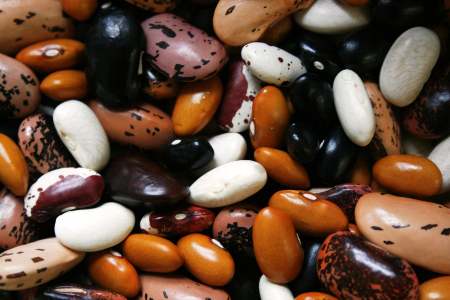
Protein digests more slowly than carbohydrates and therefore doesn’t have as dramatic an effect on your blood sugar levels, helping keep you within target range. Aim for lean meats, fish, eggs, beans, tofu and nuts with lower-fat proteins like skinless chicken and turkey breast for best results, while plant-based proteins provide additional benefits like fiber, omega-3 fatty acids and vitamins and minerals if not vegan or vegetarian (What You Should Know about Diabetes and Beans, 2015).
Fill half your plate with nonstarchy vegetables, such as salad, broccoli, spinach, carrots and cauliflower; these veggies are low in carbohydrates while providing many essential nutrients. Fill the remaining quarter of your plate with carb-rich foods such as grains (pasta, bread and rice), starchy vegetables such as potatoes and peas as well as fruit yogurt and milk products – aiming for no more than 60 grams or four carbohydrate servings per meal or four carbohydrate servings respectively.
Diabetes doesn’t dictate that you must eat any specific type of meat, but you should aim to limit fatty meats which contain high amounts of saturated fat and cholesterol. Instead, choose lean beef, pork or chicken (without skin) with either grilling, baking or poaching techniques as your preferred methods for preparation. Additionally, non-vegetarians might benefit from adding beans into their meals as these contain heart-healthy omega-3 fatty acids which provide important heart support.
When selecting dairy products, opt for fat-free or low-fat varieties. Full-fat varieties contain more saturated fat and calories. A diabetes food exchange list can be useful in finding suitable meals; each item on this list corresponds to a certain number of carbohydrates, proteins and fats; this method also ranks carbohydrates based on how they affect blood sugar. Speak to your dietitian about this method of selection so they can teach you how to utilize it as part of a diabetes management plan.
Fish
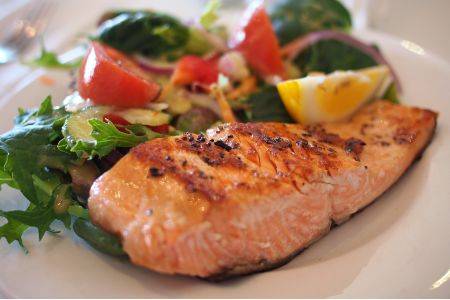
Fatty fish such as salmon, trout, sardines and anchovies are an excellent way to manage diabetes as they contain omega-3 fatty acids which have been proven to lower heart disease risks and contain protein and dietary fiber – both of which help control blood sugar. Canned tuna offers another option for those who do not wish to eat raw seafood (The Best Seafood for People with Diabetes, n.d.).
Shellfish provides diabetics with another protein-rich option, yet should be consumed mindfully due to their potential high calorie and fat content. When making steamed crab, lobster or shrimp dishes with butter added, remember a 4-oz serving contains 120 calories and 23 g of protein while just 1 tablespoon adds 128 more and 11 more fat grams compared with its non-butter counterpart.
An optimal meal for diabetics includes grilled fish, roasted vegetables and a leafy green salad. Fish supplies lean proteins and omega-3 fatty acids while vegetables contain essential low-carb nutrients; finally, salad adds color and flavors that satisfy appetite.
An ideal diabetes-friendly dinner could include grilled salmon with roasted vegetables and a bowl of berries as an example. Berries offer polyphenols that improve insulin sensitivity and decrease blood sugar levels, while vitamin C aids absorption of other essential nutrients into your body. Vegetables contain some carbohydrates; to keep carbs under control you could substitute white rice for quinoa or brown rice to lower carb intake. Also avoid high fat foods that could cause your blood sugar to spike quickly as well as sugary beverages or alcohol that contain added sugars or alcohol that contain added sugars!
Vegetables
Diagnosing diabetes can mean many new changes to one’s diet. This may feel daunting and confusing at first; but starting small with meal planning basics will provide them with an easier transition while creating good habits that last over time.
Planning diabetic meals requires selecting vegetables which are low-carb and rich in fiber and nutrients, to prevent overeating. A meal for diabetics must also contain lean proteins and whole grains.
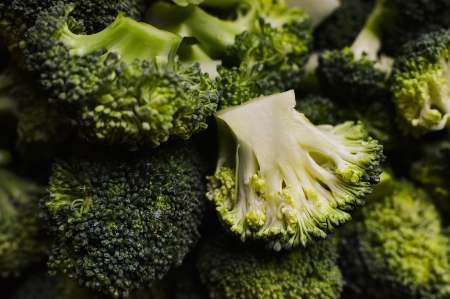
Non-starchy vegetables like spinach, kale and arugula are great choices because they contain few carbs while providing plenty of fiber. Other nutritious choices include asparagus, broccoli and other cruciferous veggies such as collard greens (7 Low-Carb Veggies for a Diabetes-Friendly Diet | Everyday Health, n.d.). All these options provide ample amounts of vitamins C and B as well as low caloric intake compared to starchy alternatives like potatoes or corn which have higher levels of carbs which could cause their blood sugar to spike unexpectedly. People living with diabetes should limit the consumption of starch-rich vegetables such as potatoes or corn as their higher carbohydrate content can trigger spikes in blood sugar spikes more rapidly than other vegetables can.
Not only should those living with diabetes include vegetables in their meals, but fresh herbs and spices should also be added for flavor enhancement and to add variety compared to just using salt and pepper alone. Herbs and spices can add flair to lean proteins, vegetables, whole grains or any dish made up with lean proteins as well.
Finally, those living with diabetes should opt for water instead of juice or soda as both contain too many calories to be beneficial and could increase blood sugar levels. If juice is desired however, select varieties low in sugar but rich in nutrients.
References
7 Low-Carb Veggies for a Diabetes-Friendly Diet | Everyday Health. (n.d.). EverydayHealth.com. https://www.everydayhealth.com/type-2-diabetes/diet/low-carb-veggies-for-diabetic-diets/#:~:text=Broccoli%2C%20spinach%2C%20and%20cabbage%20are
The Best Seafood for People With Diabetes. (n.d.). EverydayHealth.com. https://www.everydayhealth.com/type-2-diabetes/diet/the-best-seafood-for-diabetes/#:~:text=Salmon%20is%20a%20great%20choice%20of%20fish%20for%20type%202
What You Should Know About Diabetes and Beans. (2015, May 22). Healthline. https://www.healthline.com/health/diabetes/beans#:~:text=Beans%20are%20a%20diabetes%20super
Wholegrains and diabetes. (n.d.). Diabetes UK. https://www.diabetes.org.uk/guide-to-diabetes/enjoy-food/carbohydrates-and-diabetes/wholegrains-and-diabetes-#:~:text=Why%20are%20wholegrains%20a%20healthy